The Older We Get, the More We Need Beauty

Recently, I came across some consumer research on beauty and personal care. Unfortunately, it did not include men over 64.

That made me think.

I have come to believe exactly the opposite of what the beauty industry often assumes:

The older a man gets, the more he needs to take care of himself.

I am probably the best example.

When I was younger, I hardly took care of my skin at all. Honestly, the idea of a man putting on one cream and then another lotion every day seemed unnecessary to me. I had neither the patience nor the interest.

But after I turned 70, I began to realize something very simple:

Aging is real.

My skin became drier and duller and began to lose its glow. And because I live in Taitung, where I spend a lot of time walking under the strong sun, sunspots and age spots became more and more visible.

Recently, after having PicoCare treatment for my spots, I did something I never thought I would do.

I started taking care of my skin every day.

It is actually quite funny. A man in his seventies who never cared about skincare now looks in the mirror every morning, applies skincare products, and can honestly say:

My skin looks better.

Apparently, young people are not the only ones who care about looking good.

Old people want to look good too.

Older People Need More Than “Cut It Short and Cover the Gray”

Hair is another example.

When it comes to older people, we seem to have only a few expectations for their hair:

Keep it clean. Keep it neat. Cut it short. Cover the gray.

Why?

Why can’t an older person have a younger-looking, stylish haircut—something with personality, something they can even mess around with their hands in the morning?

And why does gray hair always have to be hidden?

Maybe it can be colored. Maybe it can be highlighted. Maybe it can simply be beautifully gray.

The point is not to make an older person look young.

The point is to help them look good—and still look like themselves.

Gray hair is not something we have to hide. Aging is not something we have to disguise.

Good beauty care should not erase our age. It should help us look and feel our best at our age.

Maybe it is time to redefine what it means to age gracefully.

To me, ageing gracefully does not mean quietly accepting decline. Nor does it mean desperately trying to look younger.

It means actively choosing how we want to grow older.

Take care of yourself. Stay curious. Stay connected. Keep your own style. Keep enjoying beauty.

Not anti-ageing. Pro-ageing beautifully.

We don’t need to fight ageing.

We can learn to age beautifully.

I have discovered that there are surprisingly few people who really think about designing hairstyles for older people that make them look energetic, interesting, and alive.

Foot care and nail care are even more obvious.

As we get older, poor eyesight and bending down can make basic care more difficult. I need a Nail Angel to take care of my toenails because my eyesight is getting worse. Toenails become harder to manage, and our skin needs more attention.

At a certain age, these are no longer simply “beauty services.”

They become part of everyday living.

And that made me ask myself:

Have we been thinking about beauty as something too young?

Beauty Does Not Belong Only to the Young

The beauty industry naturally loves youth.

Young faces. Young skin. Young hairstyles. Young models.

Even the term “anti-ageing” seems to tell us that ageing is something we should fight.

I no longer think that way.

I don’t need to pretend that I am not old.

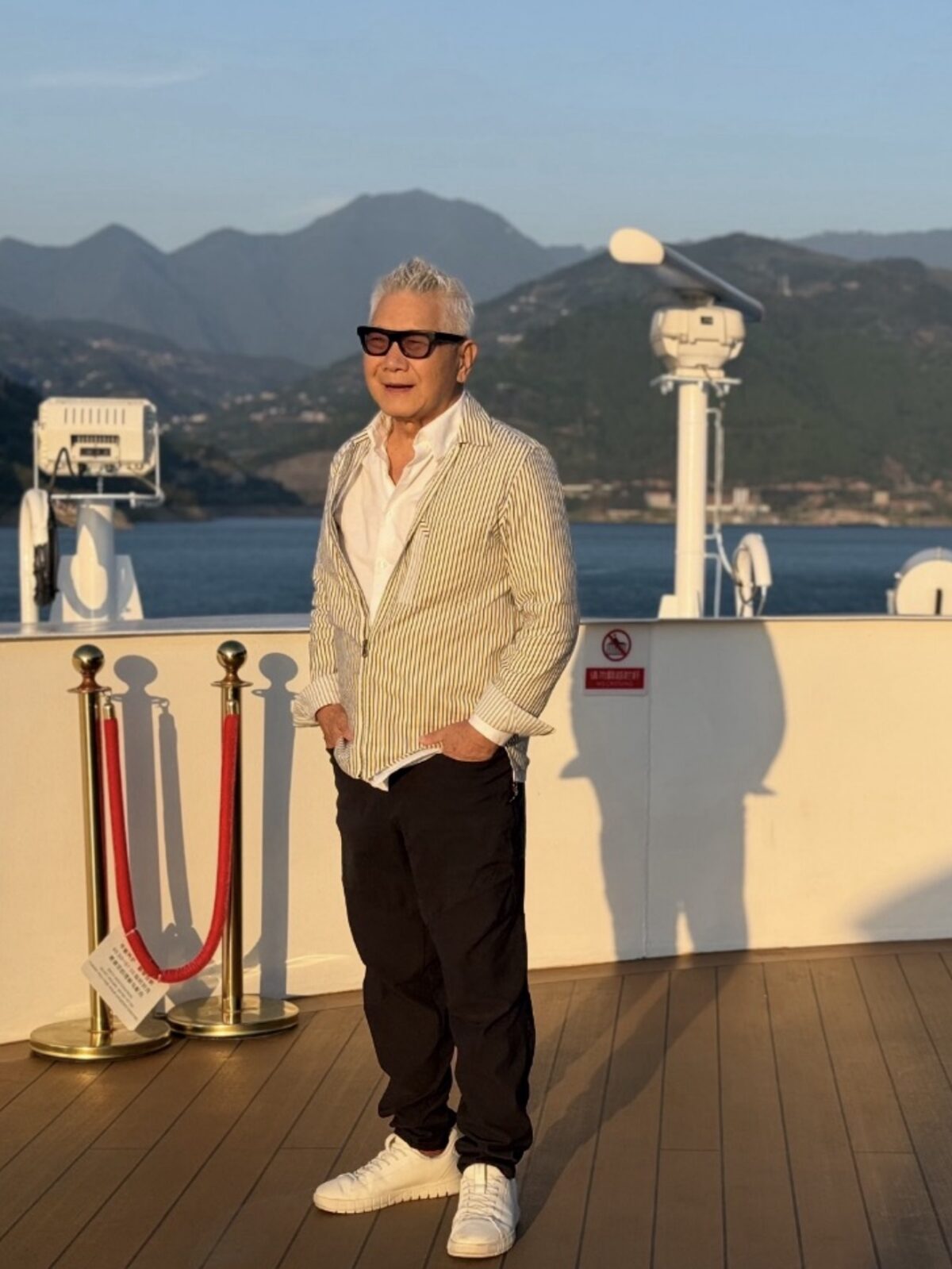
I am 77.

That’s 77.

But accepting ageing does not mean giving up beauty.

They are two completely different things.

I don’t need to look 50.

I simply want the 77-year-old me to look energetic, dignified, and still like myself.

That is why I increasingly believe:

The older we get, the more we need to take care of ourselves.

The older we get, the more we need beauty.

And I would add one more thought:

The older we get, the more we need beauty salons.

As we age, we need skilled professionals to take care of our hair, skin, hands, and feet. But perhaps even more importantly, we need a place with love—a place where we can be cared for, seen again, and reminded of who we are.

Beauty should not simply be about how other people see us.

And it is not just vanity.

Beauty is my choice. It is my responsibility to myself.

Not to please everyone.

Not to meet someone else’s expectations.

But for myself.

For the person I see in the mirror.

Taking care of my hair. Looking after my skin. Keeping my hands and feet well groomed. Putting on something I enjoy wearing.

These may seem like very small things.

But each of them quietly says:

I am still living.

I still care about myself.

I deserve to be treated well.

It Has Changed the Way I Think About Beauty Salons

I have been in the beauty industry for many years.

And at this stage of my life, I am beginning to believe that the real value of a beauty salon may be about much more than making people beautiful.

If a salon in Taiwan simply provides haircuts, color, facials, and nail care, those are services.

But imagine someone walking into a salon feeling a little tired, a little lonely, perhaps even feeling that because they are old, they no longer matter.

A few hours later, their hair is done. Their skin, hands, and feet have been cared for.

They look into the mirror.

They sit up a little straighter.

And they smile.

That is no longer just beauty care.

That is restoring a person’s dignity.

This is also what I have always meant by being a Daymaker.

Daymaker is not about “helping people.”

I don’t even particularly like the word help.

We make other people happy because, in the end, it also makes us happy.

When a hairstylist sees an older person who walked in looking tired and, after a haircut, watches that person smile at themselves in the mirror—at that moment, who is the giver and who is the receiver?

Perhaps there is no difference.

That is where human connection happens.

A Shared Future for Salons, Products, and Professional Services

Taiwan’s beauty industry has been built by many different people: salon owners, hairstylists, educators, product brands, and long-term partners who support the professional development of salons.

Canmeng AVEDA, as well as Paul Mitchell and Lebel, represented and operated by Canbran, each has a different brand identity, different products, and a different professional role.

But all of us, in different ways, support Taiwan’s salons. We give professionals better tools, better techniques, and better ways to serve their clients and friends throughout their lives—from youth to old age.

The important question is whether we can now reimagine the future of the beauty salon in Taiwan together.

A salon should not be only a place where young people go to look fashionable or beautiful.

Nor should it simply be a place that sells products or provides individual services.

It should be a place where people, from young to old, can maintain their dignity, happiness, sense of beauty, love, and vitality.

A salon could—and should—also become a third place for the neighborhood: a place for human connection and a cross-pollinator for the neighborhood economy.

We don’t just do hair.

We don’t just take care of skin.

We don’t just take care of hands and feet.

Products, techniques, education, and services should ultimately come back to one simple purpose:

Helping every person look in the mirror, smile, and feel happier about being themselves.

The Older We Get, the More We Need Beauty

So my hope for the future of beauty salons in Taiwan is not simply to create more fashionable places for young people.

A beauty salon should be a place where people can maintain their dignity, happiness, beauty, love, and vitality throughout their lives.

Perhaps what we really do is something much simpler—and much more important:

We remind every person who walks through the door:

No matter how old you are, never give up beauty.

Truth is beautiful. Kindness is beautiful. And beauty itself can be part of a positive cycle of truth, kindness, and beauty.

Perhaps this can become a manifesto for Taiwan’s beauty industry as we face the future together.

And increasingly, I believe this is about much more than a business opportunity.

Taiwan is getting older.

But I don’t want us to look at older people and simply see a “silver market.”

I want us to see people who still want to live.

People who still want to be seen.

People who still want to look and feel like themselves.

If the beauty industry can do that, then beauty is no longer simply vanity.

It becomes a personal choice, an act of self-care, and a respect for life itself.

Beauty can be dignity.

Beauty can be vitality.

Beauty can be love.

Beauty is my choice.

It is my responsibility to myself.

For myself, for the person in the mirror—not to please everyone else.

The older we get, the more we need beauty salons.

The older we get, the more we need beauty.

人愈老,愈需要美

人愈老,愈需要美

我最近看到一份關於美容消費的資料,很可惜,沒有做到 64 歲以上的男性。

但我反而愈來愈覺得:

男人年紀愈大,愈需要保養。

我自己就是最好的例子。

我年輕的時候幾乎從來不保養。坦白說,一個男人每天擦這個擦那個,我以前根本沒有耐心,也不覺得有什麼必要。

但是過了 70 歲以後,我開始發現,老是真的。

皮膚開始枯黃、乾燥,失去光澤。尤其我又住在台東,大太陽底下走來走去,臉上的曬斑、老人斑也愈來愈多。

最近做了 PicoCare 除斑之後,我竟然開始每天乖乖保養。

很有趣。一個七十幾歲、以前完全不保養的男人,現在每天照鏡子、擦保養品,而且自己真的覺得皮膚好多了。

原來不是只有年輕人才會在乎自己好不好看。

人老了,也想好看。

老人需要的,不只是「剪短、蓋白髮」

頭髮也是一樣。

我們對老人家的髮型,好像常常只有幾個要求:乾淨、整齊、剪短一點、把白髮蓋掉。

為什麼?

老人難道不能有一個年輕一點、有型一點,甚至早上起來還可以用手抓一抓的髮型嗎?

白髮又為什麼一定要蓋掉?

可以染,可以挑染,也可以讓它很漂亮地白。

重點不是把老人變年輕。

而是讓他好看,而且還是他自己。

白髮不一定要蓋,年齡也不需要隱藏。

好的美容,不是把歲月擦掉,而是讓我們在自己的年紀,依然好看、依然有自己的樣子,也更喜歡鏡中的自己。

也許,我們應該一起重新定義什麼叫做 「優雅地老去」 ageing gracefully。

對我來說,優雅地老去,不是消極地接受衰老,也不是拚命想讓自己看起來年輕。

而是主動選擇自己想怎麼老。

照顧自己,保持好奇,保持人與人的連結,保留自己的風格,也不要停止享受美。

不是抗老 anti-ageing,而是 Pro-ageing beautifully。

我們不需要跟老對抗。

我們可以學習,好好地老,也好好地美。

我後來才發現,真正願意替老人設計一個有精神、有個性、有生命力的髮型的人,並不多。

護足、修腳更是如此。

年紀愈大,視力愈來愈差,彎腰也愈來愈困難,連一些原本很簡單的日常照顧,都開始變得不容易。

我現在就需要 Nail Angel 幫我修腳趾甲,因為自己的視力愈來愈不好。腳趾甲愈來愈難自己處理,皮膚也更需要照顧。

到了這個年紀,這些已經不只是「美容服務」。

它們是生活的一部分。

所以我開始重新思考一件事:

我們是不是一直把「美」想得太年輕了?

美不是年輕人的專利

美容產業很自然地喜歡談年輕。

年輕的臉、年輕的皮膚、年輕的髮型、年輕的模特兒。

甚至「抗老」這個字,本身都好像在告訴我們:老是一件應該抵抗的事情。

我現在反而不這樣想。

我不需要假裝自己沒有老。

77 歲就是 77 歲。

但是接受老,不代表放棄美。

這兩件事完全不同。

我不需要看起來像 50 歲。

我只希望 77 歲的自己,還是有精神、有尊嚴、有自己的樣子。

所以我愈來愈相信:

年紀愈大,愈需要保養。

年紀愈大,愈需要美。

而且我想再加上一句:

人老了,更需要美容院。

因為年紀愈大,愈需要專業的人替我們整理頭髮、照顧皮膚、修整手腳,也愈需要一個有愛,能讓自己被好好對待、重新看見自己的地方。

美不應該只是為了讓別人看,也不只是虛榮 vanity。

美是我的選擇,是我對自己的負責。

不是為了取悅大家,不是為了符合別人的期待,而是為了自己,為了鏡中的自己。

整理自己的頭髮、照顧自己的皮膚、把手腳整理乾淨,穿一件自己喜歡的衣服——這些看起來很小的事情,其實都在對自己說:

我還在生活。

我還在乎自己。

我值得被好好對待。

這也改變了我對美容院的想像

我做美容這個行業很多年了。

到了今天,我反而開始覺得,美容院真正的價值,也許不只是把人變漂亮。

如果一間台灣的美容院只是提供 haircut、color、facial、nail care,那只是 services。

但如果一個人走進來的時候有一點疲倦、有一點孤單,甚至覺得自己已經老了、不再重要了;幾個小時之後,他整理好頭髮、皮膚、手腳,看著鏡子裡的自己,突然坐直了一點,笑了一下——

那就不只是美容了。

那是在恢復一個人的尊嚴 dignity。

這也是我一直說的 Daymaker。

Daymaker 不是「幫助別人」。

我甚至不太喜歡「幫助」這兩個字。

我們讓別人開心,最後其實也讓自己開心。當一位設計師看到一個原本沒有精神的老人,剪完頭髮之後笑著照鏡子,那一刻,誰是 giver?誰是 receiver?

也許根本分不清楚。

這才是人與人連結的地方 human connection。

美容院、產品與專業服務的共同未來

台灣的美容產業,是由許多不同角色共同建立起來的:美容院、設計師、教育者、產品品牌,以及長期支持 salon 專業發展的合作夥伴。

像肯夢 AVEDA,以及肯邦 Canbran 所代理與經營的 Paul Mitchell、Lebel,雖然各自有不同的品牌、產品與專業角色,但都在支持台灣的美容院,讓設計師有更好的工具、技術與服務,陪伴顧客及好朋友從年輕走到老。

真正重要的是,我們能不能一起重新想像台灣美容院的未來。

美容院不只是年輕人追求流行與漂亮的地方,也不只是販售產品或提供單項服務的場所。

它應該是一個讓人從年輕到老,都能保持尊嚴、快樂、美感、有愛與生命力的地方。

美容院也可以,而且應該成為一個 neighborhood 的 third place——一個讓人與人產生連結的地方,也成為 neighborhood economy 的 cross-pollinator。

我們不只是做頭髮。

不只是做皮膚。

不只是做手和腳。

產品、技術、教育與服務,最後都應該回到同一件事:

讓每一個人看著鏡中的自己,笑一笑,更喜歡現在的自己,也更快樂。

人愈老,愈需要美

所以我希望未來的台灣美容院,不只是年輕人追求流行與漂亮的地方。

它應該是一個讓人從年輕到老,都能保持尊嚴、快樂、美感、有愛與生命力的地方。

我們真正做的,也許是一件更簡單、更重要的事:

提醒每一個走進來的人——

無論幾歲,都不要放棄美。

真就是美,善就是美,而美也是真善美正向循環的一部份。

這可以成為台灣美容產業共同面對未來的一個宣言 manifesto。

而且我現在愈來愈覺得,這不只是 business opportunity。

台灣會愈來愈老。

但我不希望我們只是看到一個「銀髮市場」。

我希望我們看到的是一群仍然想生活、想被看見、想保持自己樣子的人。

我們不需要把他們變年輕。

我們更不需要把老隱藏起來。

77 歲就是 77 歲。白髮就是白髮。

重要的是,在自己的年紀,仍然可以有自己的風格、自己的美,也仍然可以看著鏡中的自己,笑一笑,更喜歡現在的自己。

這也是為什麼我愈來愈不喜歡「抗老」這兩個字。

老不是敵人。

如果我們活得夠久,每一個人都會老。

真正值得我們思考的,不是如何抵抗老,而是:

我們想怎麼老?

也許這就是我們需要重新定義的 ageing gracefully。

不是消極地接受衰老,也不是拚命假裝自己還年輕。

而是主動選擇自己想怎麼老。

Not anti-ageing. Pro-ageing beautifully.

好好照顧自己。保持好奇。保持人與人的連結。保留自己的風格。也不要停止享受美。

如果美容產業可以做到這件事,那麼「美」就不只是虛榮,而是一種自我選擇、自我照顧,以及對生命的尊重。

美,可以是尊嚴。

美,可以是生命力。

美,可以是愛。

美是我的選擇。

是我對自己的負責。

為了自己,為了鏡中的自己,不是為了取悅大家。

我們不需要跟老對抗。

我們可以好好地老,也好好地美。

人愈老,愈需要美容院。

人愈老,愈需要美。

Generosity Per Capita (GPC): How Do We Measure a Rich Society—and a Rich Life?

From Die with Zero to Die with Purpose

We are very good at measuring things.

We measure income, assets, investment returns and opportunity costs. We measure GDP and GDP per capita.

In the age of AI, we may become even better at calculating. That is not necessarily a bad thing. For younger generations especially, housing costs, careers, family responsibilities and uncertainty about the future make opportunity cost very real.

I have long appreciated the idea behind Die with Zero:

Don’t spend your whole life accumulating. Use your resources while you still have the time, health and ability to create a life worth remembering.

Bill Perkins calls this a Memory Dividend.

A journey taken when we are young, an adventure, or time spent with someone we love doesn’t pay us only once. Every time we remember it, the experience can pay another dividend.

Over the past few years, however, I have found myself asking another question:

What if there is also a Ripple Dividend?

Some things don’t disappear when they leave our hands.

Money. An opportunity. An introduction. Our time. A room. Trust. Even the simple words:

“Please use me.”

They enter someone else’s life. And sometimes, through that person, they travel again.

We may never know where the ripple ends.

Perhaps that is part of its beauty.

From Memory Dividend to Ripple Dividend

Die with Zero asks:

Did I use my resources to live fully?

I would like to add another question:

When I leave, beyond my memories, what will I leave behind?

These ideas don’t compete.

We don’t have to live less in order to give more.

And generosity doesn’t need to mean sacrifice.

Making another person happy can make us happy. Making the world a little better can make our own lives more meaningful.

Perhaps these aren’t opposing interests at all.

That is why my thinking has gradually moved from Die with Zero toward Die with Purpose.

Not as a rejection of the first idea.

Just one more question:

Beyond living fully, what did I put back into the world?

What if, alongside GDP, we talked about Generosity Per Capita?

We use GDP to measure how much economic value a society produces, and GDP per capita to look at economic output per person.

But is the richness of a society captured only by how much it produces, earns and consumes?

I began wondering:

Could we also talk about Generosity Per Capita—GPC?

By GPC, I do not mean Giving Per Capita.

It isn’t simply a country’s annual charitable donations divided by its population. Nor is the purpose to create another international ranking of who gives the most.

The question that interests me is larger:

How generous is our society, person by person?

Are people willing to share money, time, knowledge, connections, spaces and opportunities?

Are those with something useful to offer willing to say:

“Please use me”?

Are we willing to put some of what we have back into circulation?

GPC, then, isn’t only about donations.

It is an attempt to think about a society’s culture of generosity.

I don’t yet want to pretend that we have the perfect formula for measuring it.

That deserves deeper research.

Money may be one component. Time, volunteering, social trust, knowledge sharing and other expressions of generosity may eventually belong in the picture as well.

Before we build the formula, however, I think the question itself is worth asking:

Alongside wanting a higher GDP, would we also like to live in a society with a higher GPC?

GPC is not a goodness score

This matters enormously to me.

If GPC ever becomes a leaderboard of who is more generous, I think we will have lost the point.

I don’t want generosity to become another form of status.

And I certainly don’t want it to become another source of moral pressure.

So I would like to put down one principle at the very beginning:

Your GPC is not a score of how good you are.
It is a question about how intentionally you live.

At the societal level, I would put it this way:

GPC isn’t a score of how good we are.
It invites us to ask what kind of society we choose to become—and how each of us chooses to live within it.

Not because we should.

Because we choose to.

From social culture to personal practice

If GPC is about the generosity culture of a society, what about the individual?

Here I would like to keep things very simple.

At least initially, let’s measure money.

Time, knowledge, introductions, presence and saying “Please use me” are all forms of generosity. Sometimes they may be worth far more than money.

But once we try to assign a monetary value to every hour, introduction and act of generosity, the idea quickly becomes complicated.

So:

Not everything generous can be measured.
But measuring one simple thing can remind us to give more intentionally.

That leads to two personal measures that are easy to understand.

Generosity Ratio: How much of what came in did I give?

The formula is simple:

Generosity Ratio = Annual monetary giving ÷ Annual income × 100%

If someone earns NT$1,000,000 this year and gives NT$30,000:

Generosity Ratio = 3%

There is no need to calculate how much cash is sitting in the bank or debate what counts as a liquid asset.

Just ask two questions:

How much came in this year?
How much did I give?

That is the Generosity Ratio.

It measures an individual’s annual practice.

Even a 25-year-old who has barely begun accumulating assets can start today.

And there is no “correct” Generosity Ratio.

One percent, three percent, five percent or any other number does not make someone a better person.

It simply makes visible a question:

Has generosity begun to have an intentional place in the design of my life?

Ripple Ratio: How much of what I have accumulated have I committed to the future?

As we move through life, the question gradually changes.

We accumulate cash, investments, property, business ownership and other assets.

Eventually I find myself asking:

Of everything I have accumulated, how much is ultimately meant only for me—and how much have I intentionally committed to something larger than myself?

So:

Ripple Ratio = Assets committed to future purpose ÷ Total personal assets × 100%

Ripple Ratio isn’t about how much I donated this year.

It asks how much of the wealth I have accumulated has been intentionally committed to creating ripples into the future.

It is a question of legacy.

The whole framework now becomes quite simple:

GPC looks at the generosity culture of a society.

Generosity Ratio looks at an individual’s annual practice.

Ripple Ratio looks at an individual’s long-term legacy.

Or:

GPC is the culture.
Generosity Ratio is the practice.
Ripple Ratio is the legacy.

We can begin at every stage of life

One thing I particularly like about this framework is that it doesn’t belong only to wealthy people.

At 25, perhaps you have almost no accumulated assets.

That’s fine.

You can begin with your Generosity Ratio.

At 45, income may have grown, but so may family responsibilities. You can ask whether generosity has become a regular part of your annual life.

By 65 or 75, after accumulating some assets, the Ripple Ratio may become a more meaningful question:

Where do I ultimately want these resources to go?

Everyone’s answer can be different.

The answer should also be allowed to change at different stages of life.

We are part of something larger than ourselves

I am 77 years old.

At this age, I see more clearly that the most interesting question at the end of life may not be “How much do I still own?” but:

How much can I still set in motion?

I don’t want to tell younger people how they should spend their money.

Nor do I want to tell anyone how much they should give.

I simply want to offer an invitation.

The next time we calculate investment returns, opportunity costs or asset allocation, perhaps we can also ask:

What is our GPC?

What is my Generosity Ratio?

What is my Ripple Ratio?

The answers do not need to be shared.

And they certainly do not need to be compared with anyone else’s.

If, one day, more and more people in Taiwan begin asking these questions, perhaps we will gradually develop another way to think about abundance.

Not only:

How much did I earn?
How much did I accumulate?
How much did I experience?

But also:

How much did I give?
How much did I put back into circulation?
And how far might what I leave behind travel?

That is why my thinking has moved from Die with Zero toward Die with Purpose.

Not to live less.

But to make giving part of the experience of being alive.

Live fully. Give intentionally. Die with purpose.

Live well. Give consciously. Leave with purpose.

We are all part of something larger than ourselves.

And every ripple can begin with one person.

Still waters run deep; good deeds travel far.
Generosity Per Capita (GPC):我們如何衡量一個豐盛的社會與人生?

從 Die with Zero 到 Die with Purpose

我們很習慣衡量。

衡量收入、資產、投資報酬率;衡量 GDP、人均所得;衡量時間的機會成本。

AI 時代來臨後,我們可能會變得更會計算。這不一定是壞事。尤其對年輕世代而言,房價、工作、家庭責任與未來的不確定性,都讓我們更需要思考:有限的時間和資源,究竟應該放在哪裡?

我一直很喜歡 Die with Zero 帶給我的提醒:

不要只是累積。要在還有時間、健康與能力的時候,好好使用自己的資源,創造值得記住的人生。

作者 Bill Perkins 提出了一個我很喜歡的概念:Memory Dividend(記憶股息)。

年輕時的一次旅行、一場冒險、一段陪伴,並不只發生一次。往後每一次想起,它都可能再次帶給我們快樂。

這幾年,我開始問自己另一個問題:

如果人生除了 Memory Dividend,還有 Ripple Dividend 呢?

有些東西離開我們之後,並沒有消失。

一筆捐款、一個機會、一次介紹、一點時間、一個空間、一份信任,甚至一句:

「有需要的時候,請儘量用我。Please use me。」

它們可能進入另一個人的生命,再從那個人傳出去。

我們不一定知道漣漪最後到了哪裡。

也許正因如此,它才美。

從 Memory Dividend 到 Ripple Dividend

Die with Zero 問的是:

我有沒有好好運用我的資源,讓自己活得更豐盛?

我現在想多問一句:

當我離開的時候,除了留下回憶,我還留下了什麼?

兩者並不衝突。

我們不必少活一點,才能多給一點;也不需要把 generosity 變成犧牲。

讓別人快樂,也讓自己快樂;讓世界多一點美好,也讓自己活得更有意義。也許這本來就是同一件事。

所以,我從 Die with Zero 慢慢走向 Die with Purpose。

不是否定前者。

只是多問一個問題:

除了好好活過,我把什麼重新放回了這個世界?

如果 GDP 之外,我們也開始談 GPC?

我們用 GDP 衡量一個社會創造多少經濟價值,也用 GDP per capita 看一個社會平均每人的經濟產出。

但是,一個富足的社會,真的只能用它創造、賺取和消費了多少來衡量嗎?

我開始好奇:

我們能不能也談 Generosity Per Capita——GPC?

這裡的 GPC 不是 Giving Per Capita。

它不是簡單地把一個國家的年度捐款除以人口,也不是要建立另一張「誰捐得比較多」的國家排行榜。

我真正感興趣的是:

一個社會的人均慷慨程度有多高?

人們是否願意分享金錢、時間、專業、人脈、空間與機會?

一個有能力、有資源的人,是否願意說:

“Please use me.”

我們是否願意把自己擁有的一部分,再放回社會裡流動?

因此,GPC 想探索的不只是 donation。

它想探索的是一個社會的 generosity culture——慷慨文化。

至於未來 GPC 應該如何真正衡量,我現在不急著給答案。

它值得我們再做更深入的研究。

也許金錢是其中一部分,也許時間、志願服務、社會信任、知識分享與其他形式的 generosity 都應該被考慮。

但是在建立公式以前,我更想先提出這個問題:

除了追求更高的 GDP,我們是否也希望生活在一個更高 GPC 的社會?

GPC 不是善良排行榜

這一點對我非常重要。

如果有一天 GPC 變成「誰比較善良」的排行榜,我想我們就走錯了。

我不希望 generosity 成為新的炫耀,也不希望它變成另一種道德壓力。

所以,我想先為 GPC 留下一個重要原則:

Your GPC is not a score of how good you are.
It is a question about how intentionally you live.

GPC 不是衡量我們有多善良的分數。
它邀請我們思考:我們選擇成為一個什麼樣的社會?而我選擇如何生活?

不是因為我應該。

而是因為我選擇。

從社會文化,到個人實踐

如果 GPC 談的是一個社會的 generosity culture,那麼個人呢?

我希望把個人的部分保持得非常簡單。

至少一開始,只計算金錢。

時間、專業、人脈、陪伴與「Please use me」當然都是 generosity,有時甚至比金錢更珍貴。

但是一旦我們試著替每一小時、每一次介紹、每一份專業訂價,事情很快就會變得複雜。

所以:

不是所有的 generosity 都能被衡量。
但衡量一件簡單的事,可以提醒我們更有意識地給。

這讓我想到兩個可以很容易計算的個人指標。

Generosity Ratio:今年,我把多少收入給了出去?

公式很簡單:

Generosity Ratio = 年度捐贈金額 ÷ 年度收入 × 100%

假設今年收入 NT$1,000,000,捐出 NT$30,000:

Generosity Ratio = 3%

不需要計算銀行裡有多少現金,也不需要先討論什麼叫「可動用資產」。

只問兩個問題:

今年進來多少?
今年給出去多少?

這就是 Generosity Ratio。

它衡量的是一個人的年度實踐。

一個 25 歲、剛開始工作、幾乎沒有資產的年輕人,也可以從今天開始。

而且沒有「正確」的 Generosity Ratio。

1%、3%、5% 或其他比例,不代表一個人比較好。

它只是讓我們看見:

Generosity 有沒有開始成為我生活設計的一部分?

Ripple Ratio:我累積的一切,有多少已經承諾給未來?

人生走得更久之後,問題會慢慢改變。

我們開始累積現金、股票、房地產、公司股權,以及其他資產。

這時候,我開始問自己:

我所累積的一切,有多少最後只是留給自己?又有多少,我已經有意識地承諾給比自己更大的未來?

所以:

Ripple Ratio = 使命承諾資產 ÷ 個人總資產 × 100%

Ripple Ratio 不是今年捐了多少。

它看的是我們一生累積的資產中,有多少已經有意識地安排,在未來繼續產生漣漪。

這是一個關於 legacy——傳承 的問題。

因此,整個架構現在變得很簡單:

GPC 看一個社會的慷慨文化。

Generosity Ratio 看一個人的年度實踐。

Ripple Ratio 看一個人的長期傳承。

或者:

GPC is the culture.
Generosity Ratio is the practice.
Ripple Ratio is the legacy.

每個人生階段,都可以開始

我喜歡這個架構,因為它不只屬於有錢人。

25 歲,也許沒有多少資產。

沒關係。

可以開始問自己的 Generosity Ratio。

45 歲,收入可能增加,家庭責任也增加。可以開始思考:generosity 是否已經成為每年生活的一部分?

到了 65、75 歲,當我們已經累積了一些東西,Ripple Ratio 才慢慢成為一個更有意思的問題:

最後,我希望這些東西往哪裡去?

每個人的答案都可以不同。

每個人生階段的答案,也應該不同。

我們是比自己更大的事情的一部分

我已經 77 歲了。

這個年紀讓我愈來愈清楚:人生最後真正有趣的,也許不是「我還擁有多少」,而是:

我還能讓多少東西開始流動?

我不想告訴年輕人應該怎麼花錢。

也不想告訴任何人應該捐多少。

我只是想提出一個邀請。

下一次我們計算投資報酬率、機會成本、資產配置的時候,也許也可以偶爾問:

我們的 GPC 呢?

我的 Generosity Ratio 呢?

我的 Ripple Ratio 呢?

答案不用告訴別人。

更不需要跟別人比較。

如果有一天,台灣愈來愈多人開始問這些問題,也許我們會慢慢多出一種衡量富足的方法。

不只問:

我賺了多少?
我累積了多少?
我體驗了多少?

也開始問:

我給出了多少?
我把多少放回流動之中?
而我留下的,還會走多遠?

這就是我從 Die with Zero 走向 Die with Purpose 的原因。

不是少活一點。

而是把「給」也變成人生體驗的一部分。

Live fully. Give intentionally. Die with purpose.

好好活。有意識地給。帶著目的離開。

我們都是比自己更大的事情的一部分。

而每一個漣漪,都可以從一個人開始。

靜水流深,善行致遠。

Generosity is the bridge

I used to say, “Live in abundance and die with zero.”

Those words reminded me that life has a deadline. The resources we work hard to accumulate need to be used at the right time: to experience life, spend time with the people we love, and contribute to the people and things that matter while we can still participate.

At 77, I still believe this. But I am asking myself a clearer question: What do I want these resources to make possible?

That question has gradually led me toward “Die with Purpose.”

“Die with Zero” reminds me to stop postponing. “Die with Purpose” asks me to decide where my resources should go now.

1. From “How Much Is Enough?” to “What Comes After Enough?”

After many years in business, I know that accumulating resources takes effort. For many people, saving means security and responsibility toward their families. I understand that.

But if “enough” is always the next number, we may never begin.

I want to preserve freedom in my own life, give my family opportunities to find their own paths, and create the conditions for public causes I care about to continue. All of this requires thoughtful planning.

Some resources will be used during my lifetime. Others may remain in funds with clear purposes and sound governance, continuing to serve their purpose. Whether my account ultimately reaches zero has gradually become less important to me.

What matters more is this: What has what I own made possible?

2. Generosity Enriches My Life, Too

Generosity connects this change in my thinking.

It includes money, but also time, experience, trust, relationships, and the attention we give when we truly listen. Resources I have come to take for granted may, at the right moment, give another person a choice they did not have before.

I do not need to make this sound noble or claim that my motives are entirely selfless.

I feel happy when someone discovers a possibility. I find meaning in seeing worthwhile work continue. This is close to the spirit of being a Daymaker: someone who intentionally brings happiness and a positive influence into another person’s day. One good way to make ourselves happy is to intentionally make someone else happy.

Generosity enriches my life, too. That joy makes me want to continue.

My happiness, however, must not become someone else’s obligation to be grateful, obedient, or to repay me. Offering resources also means respecting another person’s right to choose their own path.

3. The Archangel Initiative: A Commitment Others Can Rely On

The Archangel Initiative—大天使計劃—is one way I put this thinking into practice.

I have participated in launching Archangel initiatives at AAMA and The Reporter. I have also personally supported 公益平台基金會、龍應台基金會、獵人學校教育 and 關懷台灣基金會 as an Archangel. I have invited about ten friends to join AAMA’s Archangel Initiative as well.

For me, the point is to give trusted organizations greater confidence to undertake long-term work.

One commitment I have practiced is NT$100,000 a year for three years. This amount will not suit everyone. For friends with sufficient resources, however, it can be a concrete and manageable starting point.

If fifty people each commit NT$100,000 annually, an organization has NT$5 million a year to plan around during that commitment period. The arithmetic is simple, but the difference is practical: the organization can plan staffing, sustain everyday operations, and undertake work whose results may take years to emerge.

A commitment to give a fixed amount regularly—and to follow through—allows others to plan their future.

I care about stable, predictable resources and promises that are kept. Those providing support also need to understand the organization’s work and respect its professional judgment and independence.

4. GPC: Another Way to Understand Prosperity

We often discuss a place’s prosperity through GDP per capita. I want to add a question: Once we have accumulated wealth, how much are we willing to contribute to making our shared world a little better?

I call this idea GPC—Generosity per Capita. It asks how much, on average, individuals in a society are willing to contribute in resources to other people, public causes, and work worth sustaining over time.

For now, GPC is a proposal about values, not a statistical measure with an established method of calculation. I want it to open a conversation: Are we willing to include generosity in our understanding of prosperity?

Generosity takes many forms. Some people offer money, others time, professional skills, or sustained companionship. Our capacities and responsibilities differ. An amount of money cannot tell the whole story.

We can also understand a place’s wealth by how people use the resources they have.

I hope more people in Taiwan, while caring for themselves and their families, will make a lasting commitment to something worth doing.

5. What We Leave the Next Generation Includes How We Use Our Wealth

When I think about generosity, I also think about my children and grandchildren.

I want to leave them opportunities to learn, explore, try things, and find their direction. I also want them to see how I allocate resources, trust other people, and honor a commitment.

In my own planning, I will first ensure that my living and care needs are covered, then put my family’s long-term arrangements in place with adequate resources, before making substantial, irreversible commitments of assets to charitable purposes. This gives my generosity a foundation I can sustain.

Meanwhile, listening, sharing experience, offering time, and contributing within my means can begin today.

I want my children to inherit opportunities and to see generosity practiced as a way of life.

6. Live Intentionally. Die with Purpose.

For me, Die with Purpose means leaving with the knowledge that I used my time and resources thoughtfully, giving people, places, and worthwhile work a chance to continue.

I will not see every outcome or determine where every ripple travels. But I can choose how I participate today and honor the promises I have made.

Generosity is the bridge from Die with Zero to Die with Purpose. The Archangel Initiative is one way I am crossing that bridge.

Live intentionally. Die with purpose.

Ping Chu

Still waters run deep. Kindness travels far.

從 Die with Zero 到 Die with Purpose

慷慨,是我走過去的橋梁

我曾經說:「Live in abundance and die with zero。」活得豐盛,死時歸零。

這句話提醒我,生命有期限。辛苦累積的資源,需要在適當的時候使用:去經歷想經歷的事,與所愛的人相處,也趁自己還能參與的時候,把資源用在重要的人與事情上。

今年 77 歲,我仍然相信這些。但我開始更清楚地問自己:這些資源,究竟要讓什麼事情發生?

於是,我的想法慢慢走向了「Die with Purpose」。

「Die with Zero」提醒我不要一直延後;「Die with Purpose」讓我想清楚,現在要把資源用在哪裡。

一、從「多少才夠」走向「足夠之後呢?」

做了多年生意,我知道累積並不容易。對許多人來說,存錢意味著安全,也意味著對家人的責任。我理解這份心情。

但如果「足夠」永遠是下一個數字,我們也可能永遠沒有開始的時候。

我想保有生活的自由,讓家人有機會走自己的路,也讓我在乎的公共事務具備持續發展的條件。這些都需要認真安排。

有些資源會在我有生之年用掉,有些可能留在目標清楚、治理完善的基金裡,繼續發揮作用。我逐漸不再把帳戶最後是否歸零,當成最重要的問題。

我更在意的是:我所擁有的,究竟成就了什麼?

二、慷慨,也讓我自己快樂

連結這個轉變的,是 generosity,也就是慷慨。

慷慨包括金錢,也包括時間、經驗、信任、關係,以及認真聆聽一個人說話的心力。許多對我而言已經習以為常的資源,在適當的時刻,可能讓另一個人多一個選擇。

我不喜歡把這些事說得太高尚,也不需要宣稱自己完全無私。

看見一個人找到可能性,我會感到快樂。看見一件值得做的事繼續下去,我會覺得自己的參與有意義。這和 Daymaker 的精神相通。Daymaker 指的是有意識地為他人創造快樂與正面影響;想讓自己快樂,一個很好的方法,就是有意識地讓別人開心。

慷慨也豐富了我自己。這份快樂,讓我願意持續。

當然,我的快樂不能變成對方必須感恩、服從或回報的義務。願意提供資源,也要願意尊重對方選擇自己道路的權利。

三、大天使計劃:把慷慨變成可以依靠的承諾

大天使計劃,是我把這個想法付諸實踐的一種方式。

我曾參與推動 AAMA 與《報導者》的大天使計劃,也親自以大天使的方式支持公益平台基金、龍應台基金會、獵人學校教育與關懷台灣基金會。我也邀請了大約 10 位朋友參加 AAMA 的大天使計劃。

對我而言,重點是讓值得信任的組織,能夠更安心地投入長期工作。

我所實踐的一種承諾,是每年新台幣 10 萬元,持續 3 年。這個金額不適合每一個人;但對已有餘裕的朋友而言,它可以是一個具體而可行的起點。

假設有 50 個人,每人每年承諾 10 萬元,一個組織在承諾期間,每年就有 500 萬元的資源可以規劃。這是簡單的算術,背後卻有很實際的差別:組織可以安排人力、維持日常運作,也比較有條件投入需要時間才能看見成果的工作。

一份持續「定期定額」履行的承諾,讓別人有條件規劃未來。

我在意的是資源是否穩定、是否可以預期,以及承諾是否真的被履行。支持者也需要理解組織的工作,尊重它的專業與自主。

四、GPC:我想提出的一個富裕標準

我們常用人均 GDP 談一個地方的富裕程度。我想多提出一個問題:當我們累積了財富,願意拿出多少,讓我們共同生活的世界變得更好一些?

我把這個想法叫做 GPC——Generosity per Capita,中文可譯為「人均慷慨程度」。GPC 指的是:一個社會中的個人,平均願意投入多少資源,支持他人、公共事務與值得長期發展的事情。

目前,GPC 是我提出的一個價值主張,還不是具備完整計算方法的統計指標。我想藉此開啟一場對話:我們願不願意把慷慨,也放進對富裕的理解裡?

慷慨有不同的形式。有人提供金錢,有人投入時間,有人分享專業,有人願意長期陪伴。每個人的能力與責任不同,金額無法說明全部。

一個地方的富裕,也可以從人們如何運用自己擁有的資源來理解。

我希望台灣有更多人,在照顧好自己與家人的同時,願意對一件值得做的事作出持續的承諾。

五、留給下一代的,還有我們如何使用財富

談到慷慨,我也會想到自己的孩子與孫子。

我希望留給他們機會:學習、探索、嘗試,找到自己的方向。也希望他們能親眼看見,我如何安排資源、如何信任別人,以及如何履行一個承諾。

因此,我會先確保自己的生活與照顧需求,再把家人的長期安排規劃妥當、準備充分,才作出大額且不可逆的公益資產承諾。這讓我能更踏實地持續實踐慷慨。而傾聽、分享經驗、付出時間,以及在能力範圍內提供支持,現在就能開始。

我希望孩子繼承機會,也看見慷慨如何成為一種生活方式。

六、有意識地活,帶著意義離開

對我而言,Die with Purpose,是在離開時,知道自己曾認真運用擁有的時間與資源,讓一些值得的人、地方與事情有了延續的可能。

我不會看見每一個結果,也無法決定每一圈漣漪將流向何方。但我可以選擇今天如何參與,並把已經答應的事做好。

慷慨,是從 Die with Zero 走向 Die with Purpose 的橋梁。大天使計劃,是我走過這座橋的一種方式。

Live intentionally. Die with purpose.

有意識地活,帶著意義離開。

朱平 Ping Chu

靜水流深,善行致遠!

重新開始,寫給準備好的人

重新開始,寫給準備好的人

Beginning Again, for Those Who Are Ready

這個部落格,已經很久沒有更新了。

最近,我決定重新開始。

今年我77歲。我還有許多想做的事,也有一些想法,值得花時間整理下來。關於工作、金錢、關係、慷慨,以及如何有意識地過日子。有些想法陪了我很久,有些是這幾年才慢慢改變的。

朋友問起時,我常常想:如果有一個地方,能讓他讀到我比較完整的想法,我們下一次的對話,或許就能更深入一些。

所以,我想重新打開這裡。

我對流量沒有目標,也沒有打算靠這個網站營利。我希望它成為一份持續生長的人生檔案:把我做過的選擇、付出的代價、仍然沒有答案的問題,好好留下來。

和我的書一樣,這裡是寫給準備好的人。

每個人都有自己的時間。一段話,今天讀來沒有感覺,幾年後,可能因為一段經歷,突然就懂了。所謂準備好,也許只是你剛好開始問同樣的問題,願意停一下,想一想。

你不必同意我。我也希望從你的經驗裡,看見自己沒有想到的事。

這些年,我用三個身分描述自己:Businessmaker、Daymaker、Ripplemaker——生意人、悅日人、漣漪人。

做生意,讓我思考一個企業如何讓人有尊嚴地工作。做Daymaker,讓我體會:想讓自己快樂,一個很好的方法,就是有意識地讓別人開心。做Ripplemaker,則讓我繼續探索,一個小小的行動,如何經由人與人的連結,產生我們未必看得見的影響。

我會在這裡談這些經驗,也會談我的修正。例如,我的想法如何從「Die with Zero」走向「Die with Purpose」:在享受生命的同時,思考自己的時間、資源與心力,要如何安排,才能讓在意的事持續下去。

我希望每一個想法背後,都有真實的生活。有時是一個工作上的決定,有時是一段對話,也可能只是一次發現自己想錯了的時刻。

這裡會用中文和英文寫作。

兩種語言,是我生活的一部分。中英文也讓不同背景的朋友有機會相遇。還有一個很私人的原因:我希望文文和禮禮,我的兩個孫子,將來能讀懂阿公。

他們現在不需要理解所有的事。也許有一天,他們會想知道:阿公為什麼這樣生活?為什麼把時間花在這些事情上?他相信什麼,又改變過哪些想法?

我希望他們能在這裡找到一些答案,也認識一個仍在學習的我。

等我80歲時,我計畫從這些累積中,整理出版我的下一本書《Still Waters Run Deep》。書會有完成的一天,這份Living Archive,則可以繼續生長。

我會慢慢整理舊文章,也寫下新的體會。曾經相信、後來改變的事,我希望保留它的脈絡。那也是我的一部分。

如果你是老朋友,歡迎回來。如果你第一次來,歡迎你慢慢讀。

讀到有共鳴的地方,或有不同的看法,都歡迎與我分享。

此刻的你,正在思考什麼問題?

朱平 Ping Chu

靜水流深,善行致遠!

Beginning Again, for Those Who Are Ready

It has been a long time since I last updated this blog.

Recently, I decided to begin again.

I am 77 this year. There is still much I want to do, and there are thoughts I want to take time to put into words: thoughts about work, money, relationships, generosity, and living intentionally. Some have been with me for years. Others have slowly changed.

When a friend asks what I think about something, I often wish there were a place where they could read a fuller version of my thoughts. Perhaps our next conversation could then go a little deeper.

That is why I am opening this space again.

I have no traffic target and no plans to earn money from this website. I want it to become a living archive: a record of my choices, what those choices have cost, and the questions I still cannot answer.

Like my books, this space is for those who are ready.

We each have our own timing. Something we read today may mean little to us. Years later, after an experience of our own, the same words may suddenly make sense. Being ready may simply mean that you have begun asking a similar question and are willing to pause and think.

You do not have to agree with me. I hope your experiences will also show me something I have missed.

Over the years, I have described myself in three ways: Businessmaker, Daymaker, and Ripplemaker.

Being a Businessmaker has led me to ask how a business can make dignified work possible. Being a Daymaker has taught me that one good way to make ourselves happy is to intentionally make someone else happy. Being a Ripplemaker keeps me curious about how a small action can travel through human connections and have effects we may never see.

I will share these experiences here, along with the ways my thinking has changed. One example is my movement from “Die with Zero” toward “Die with Purpose”: enjoying life while considering how to use my time, resources, and energy so that the things I care about can continue.

I want these reflections to be grounded in everyday life. Sometimes that means a decision at work, sometimes a conversation, and sometimes a moment when I realize I was wrong.

I will write in both Chinese and English.

Both languages are part of my life. They also allow friends from different backgrounds to meet here. And there is a very personal reason: I want my grandchildren, Wen Wen and Li Li, to be able to understand their grandfather.

They do not need to understand everything now. Perhaps one day they will wonder: Why did Grandpa live this way? Why did he spend his time on these things? What did he believe, and what did he change his mind about?

I hope they will find some answers here and get to know a grandfather who was still learning.

When I turn 80, I plan to draw from this growing collection for my next book, Still Waters Run Deep. The book will reach publication. The living archive can keep growing.

I will gradually organize older writing and add new reflections. Where my views have changed, I want to preserve the story of that change. It is part of who I am.

If you are an old friend, welcome back. If this is your first visit, take your time.

If something speaks to you, or you see it differently, I welcome your thoughts.

What question are you living with these days?

Ping Chu

Still waters run deep. Kindness travels far.

跟十八歲的自己說話

在台東大學跟150位大學生上通識教育課。該講什麼?

1.「誰來聽課前有先Google我?」

你對講者有沒有好奇心?有沒有事先了解這個人做了什麼事。

2. 「要把英文學好。」

英文是一個工具,讓你建立多一種思維模式,讓你能夠跟世界溝通。

3. 「允許自己不知道自己的passion是什麼。」

但是要記得下一句話。當你全力以赴的把事情做好,你就變成那個passion。

4. Catch people doing the right things

看到陌生人做對的事情, 走上前跟他說謝謝。做他們的?日人。

Quote for 2018

Action Expresses Priorities
– Mahatma Gandhi –

We cannot hide from ourselves since our action is the direct expression of our priorities.
Don’t think you can fool yourself or other people as they know who you are by watching your action.
If you don’t have time to do it, it means it is not your priority. If it is your priority, you will do it even forgoing sleep to do it.
It is so simple. It is not complicated at all.
Nothing is impossible if it is your priority.