閱讀中文版
Twenty Buns and a Big Smile
During the National Day holiday, I went to the emergency room for an ECG and a troponin blood test.
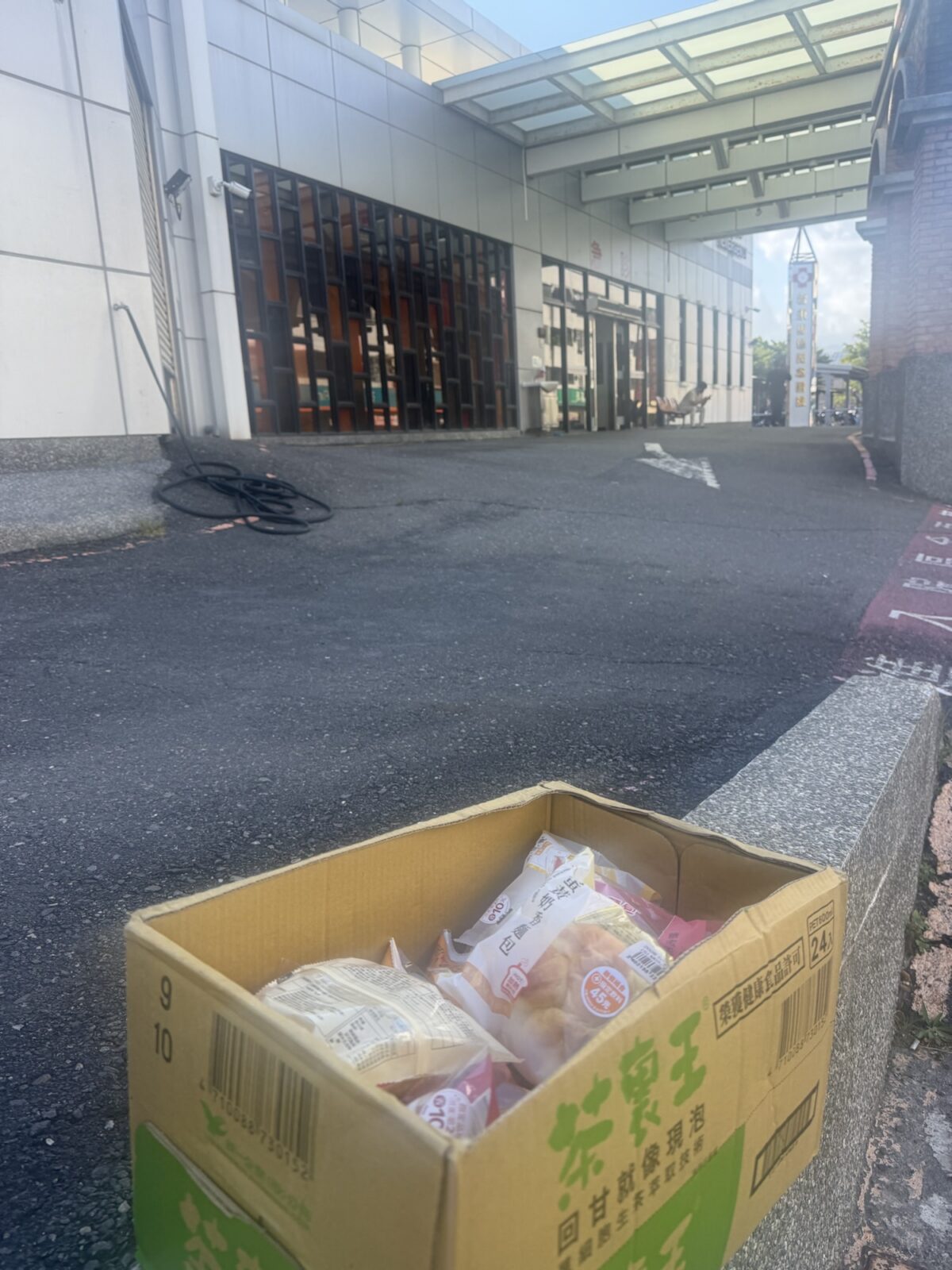
Seeing the nurses and doctors working through the holiday, I decided to go to 7-Eleven, buy twenty buns, and bring them back for the staff.
A nurse graciously accepted them and gave me a big smile.
I was so happy! I had wanted to brighten their day, and they brightened mine, too.
When they accepted my gesture, I realized they were my Daymakers.
I offered the buns. She offered a smile. We became each other’s Daymaker. This is what I mean by The Generosity Loop.
I Make You Happy Because It Makes Me Happy
I do not particularly like saying that we “help others.” Sometimes it makes the giver seem to stand above the receiver, who is then left owing a favor.
I do not think of myself as particularly noble. Seeing someone happy because of a small gesture makes me happy. That happiness makes me want to continue.
I call this Enlightened Egoism.
“I don’t believe in altruism. I believe in enlightened egoism: I make you happy because it makes me happy.”
This is how I understand my own motivation. Generosity can mean time, experience, money, or patiently listening until someone has finished speaking. As I give, my own life becomes richer.
You Can Be Their Daymaker, Too
But what I especially want to talk about this time is receiving.
In the Chinese culture I know, we often feel too shy or too concerned about politeness. Someone offers a coffee or a small gift, and our first response is, “No, thank you!” or “Please don’t go to any trouble!”
Sometimes we actually like the offering, but still refuse first.
If the gesture is welcome, why not receive it graciously? Smile, offer a sincere thank-you, and let the person know you are happy. Now they are happy, too! You have become their Daymaker.
There is no need to start planning a gift in return. That nurse’s big smile had already made me happy.
Receiving kindness can itself be an act of giving.
Notice What Someone Does Well—and Say It
I want to turn this thinking into a movement anyone can participate in: Catch someone doing something good.
Pay attention to the people around you. Who has been patient? Who has thought one step ahead for someone else? What small act of care has made life better for the people nearby?
When you notice it, let the person know. Be specific about what you appreciate, so they know their thoughtfulness was seen.
And when someone appreciates you, practice receiving it warmly. Both giver and receiver can make the encounter better.
It Is an Art and a Science
Brightening someone’s day takes observation. When should you speak? When should you simply be there? Is what you want to give what the person needs at that moment? These judgments take practice.
Receiving does, too. How can you express thanks so the other person feels your delight, rather than just hearing a polite response?
The art lies in sensitivity, timing, and warmth. The scientific attitude is to observe our responses, learn from them, and adjust. It is not enough for me to think I did something well; I also need to pay attention to how the other person actually feels.
The loop I hope to cultivate is this: you give, I receive graciously, and my response brings you happiness. That shared experience makes us both want to continue. Next time, perhaps we carry that kindness into another encounter.
A Daymaker has an opportunity to become a Ripplemaker.
From a Smile to Sustained Generosity
This is the kind of human interaction I want to advocate. A more humane civilization can begin with these small practices.
This is also the foundation I hope to build for GPC, GR, and RR. As we become familiar with the happiness of giving and receiving, we can consider how much of our annual income and accumulated wealth might support work worth sustaining. These measures then connect with how we live.
GPC concerns charitable giving per person in a society. GR concerns the proportion of annual income donated. RR concerns the share of assets arranged for future public purposes. I explain these ideas more fully in GPC, GR and RR: From Die with Zero to Die with Purpose.
Everyday kindness will not necessarily lead to financial giving, and our capacities and responsibilities differ. My hope is to make room for more ways of practicing generosity. The Archangel Initiative’s regular contributions are one example: a lasting commitment that worthwhile work can rely on.
For me, these practices connect with Die with Purpose: using the time and resources we have to leave the world a little better through our participation.
Giving thoughtfully and receiving graciously. Both are worth learning.
That day, I bought twenty buns. A nurse gave me a big smile. That was how the loop began.
Ping Chu